Why a bronchoscopy may be advised
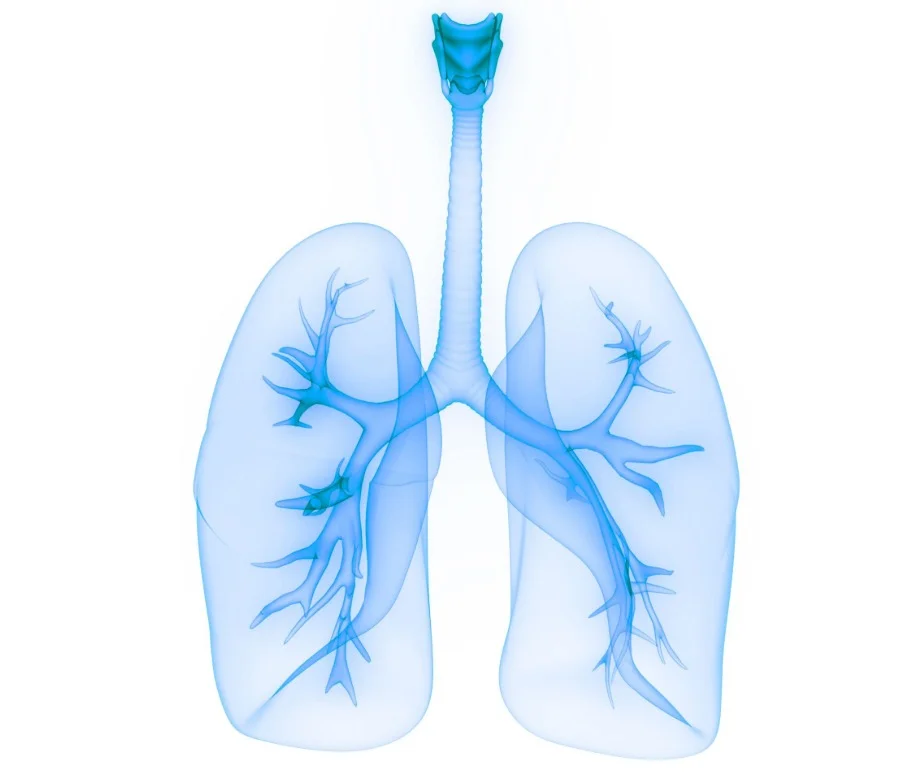
A flexible camera passes through the nose or mouth to inspect the airways. It may help investigate persistent cough, blood in sputum, unexplained chest imaging or infection. Washing fluid (BAL) or tissue can be sampled when indicated. It does not directly show all lung tissue or diagnose every cause of breathlessness.
Before your appointment
Follow the team’s written fasting instructions. Tell them about allergies, pregnancy, diabetes and all medicines, especially blood thinners. Do not stop prescribed medicines on your own. If sedation is planned, arrange an adult escort and help at home; allow time for preparation and recovery as well as the procedure.
During the procedure and possible risks
Local anaesthetic and, when suitable, sedation help with discomfort. Oxygen levels and other observations are monitored. The scope can collect washings or biopsies, and selected mucus or foreign-body removal may be possible. Risks include bleeding, infection, low oxygen, sedation reactions and, with some biopsies, a collapsed lung. Advanced stenting or tumour treatment is not automatically included.
Recovery and results
Wait until staff confirm swallowing is safe before eating or drinking. After sedation, follow the team’s restrictions on driving, alcohol, machinery and important decisions, usually for 24 hours. Mild throat irritation can occur. Seek urgent help for worsening breathlessness, chest pain, significant fresh blood or fever with feeling unwell. Sample results take longer than the initial visual findings.