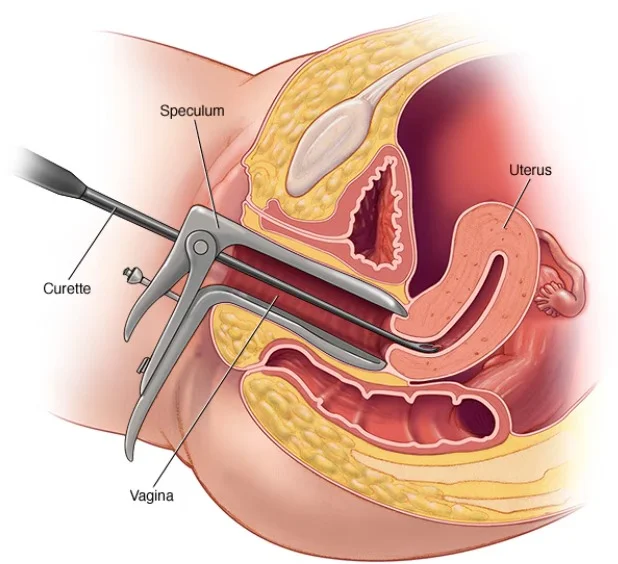
What is D&C?
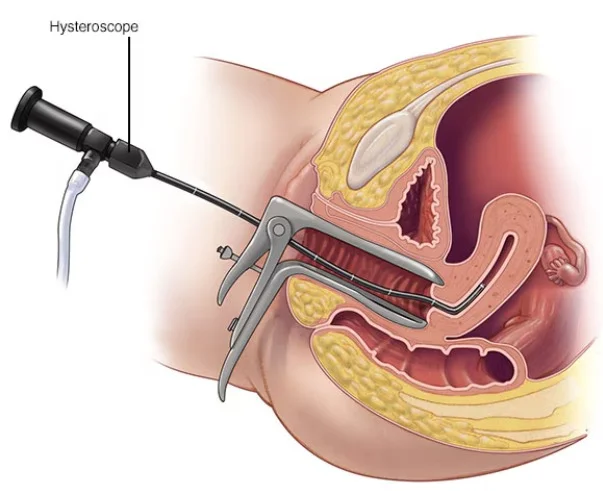
The cervix is gently opened and tissue is removed from inside the uterus using a suitable instrument or suction technique. The reason and method matter: investigation of bleeding and management of retained pregnancy tissue are different situations. Hysteroscopy uses a camera to inspect the uterine cavity and may be discussed separately.
Deciding whether it is needed
Assessment may include ultrasound, pregnancy testing, blood tests and discussion of symptoms. Depending on the diagnosis, observation, medicines, suction evacuation, hysteroscopy or a different sampling method may be more appropriate. A miscarriage does not automatically require D&C. Molar pregnancy or a suspicious sample requires a specific follow-up plan.
Preparation and recovery
Discuss consent, anaesthesia, fasting and medicines with the team. Cramping and light bleeding may occur afterwards. Follow individual advice on sex, tampons, bathing and return to activity. Arrange an escort after sedation and confirm when tissue results and follow-up will be available.
Risks and warning signs
Possible complications include infection, heavy bleeding, injury or perforation of the uterus, retained tissue and, rarely, adhesions inside the uterus. Heavy bleeding, fever, worsening pain, foul-smelling discharge or faintness needs urgent assessment. Fertility questions and emotional support after pregnancy loss should be part of the discussion.