What an Echo can assess
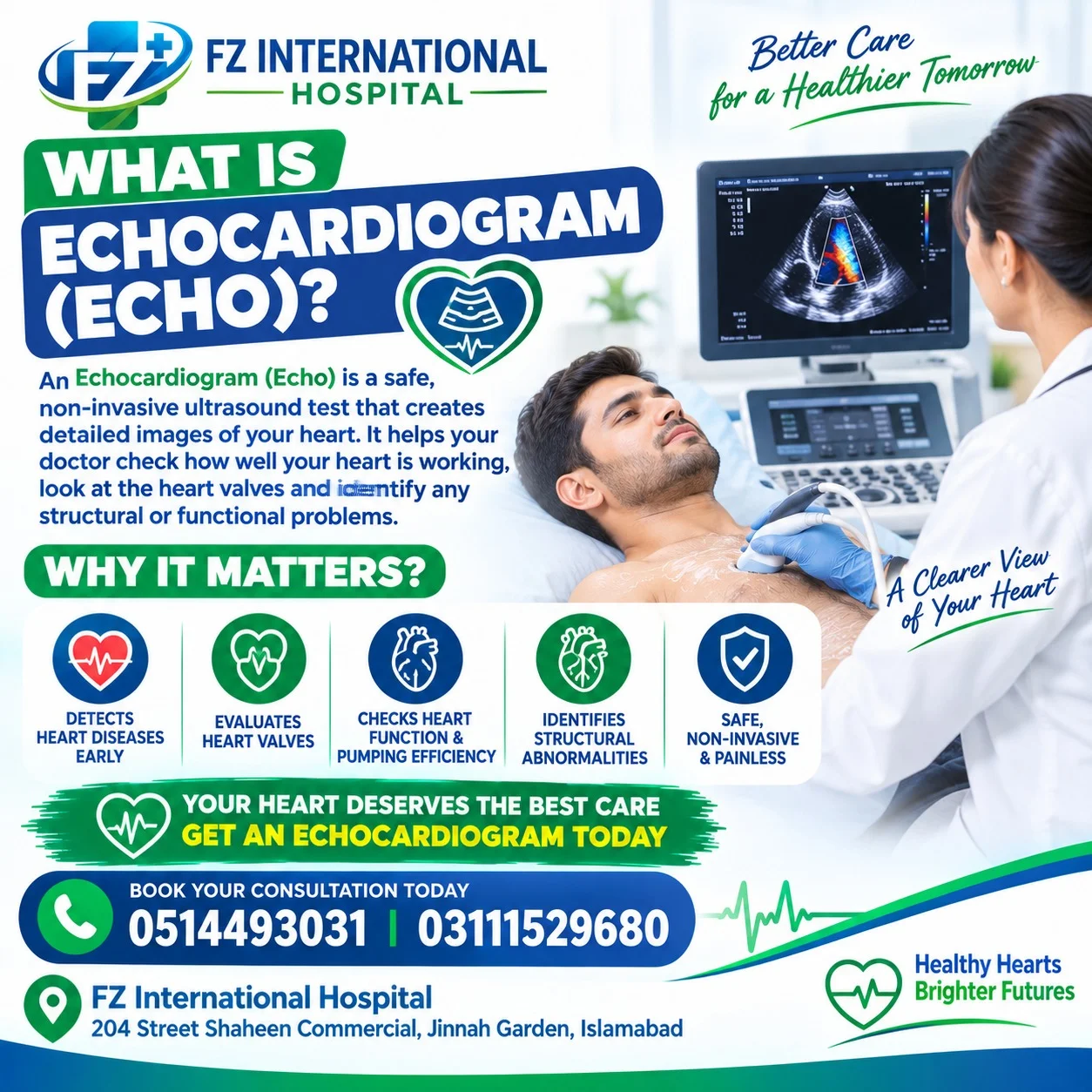
Moving ultrasound images help assess chamber size, valve movement, blood flow and pumping function, including ejection fraction. Your clinician may request an Echo for symptoms or an examination finding; the result is interpreted alongside your history and other tests.
- Breathlessness, ankle swelling or suspected heart failure
- Heart murmurs or known valve disease
- Selected chest-pain, palpitation or follow-up assessments
What happens during the scan?
You lie on an examination couch while gel and a handheld probe are placed on the chest. You may be asked to change position. It uses no ionising radiation. Probe pressure can be uncomfortable; tell the operator if it hurts and ask for a chaperone if you wish.
The hospital estimates approximately 20–45 minutes, depending on the study. Ask when the report and clinician’s explanation will be available. You can usually resume ordinary activity after a standard scan.
Preparation and cost
For a standard chest-wall Echo, fasting is usually unnecessary. Bring previous cardiac reports and your medicine list; follow any specific instructions and do not stop medicines yourself. Other forms of Echo have different preparation and are not implied to be offered here.
Listed Echo charge: Rs. 3,500. Confirm the current rate; consultation and additional tests are separate unless reception states otherwise.