
Healthy teeth and gums support eating, speaking and comfort. Some dental problems cause pain early, while cavities, gum disease or damaged restorations can initially cause few symptoms.
A dental examination can identify the likely cause and explain suitable options. The timing of routine check-ups should be personalised to oral health and risk rather than assuming the same six-month interval for everyone.
Some dental problems need urgent care
Use urgent dental or emergency assessment rather than waiting for a routine appointment when there is a threat to breathing, significant infection, bleeding or major injury.
- Facial or neck swelling with breathing or swallowing difficulty
- Rapidly increasing swelling, fever, severe illness or difficulty opening the mouth
- Uncontrolled bleeding or major injury to the mouth, jaw or face
- A knocked-out permanent tooth or severe dental pain after trauma
What does a dentist assess?
Dentists assess teeth, gums, oral tissues, bite and jaw-related concerns. Symptoms can have several causes, so treatment should follow examination and any indicated dental imaging.
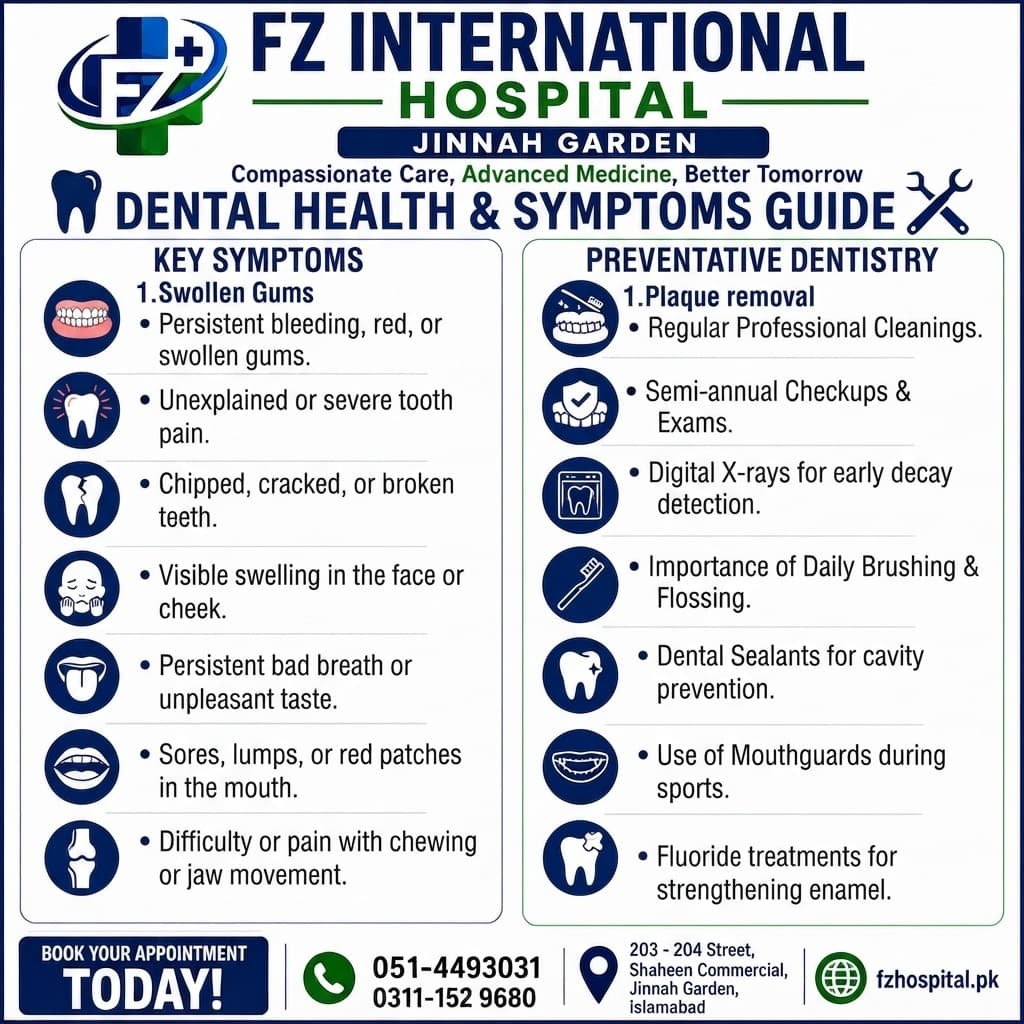
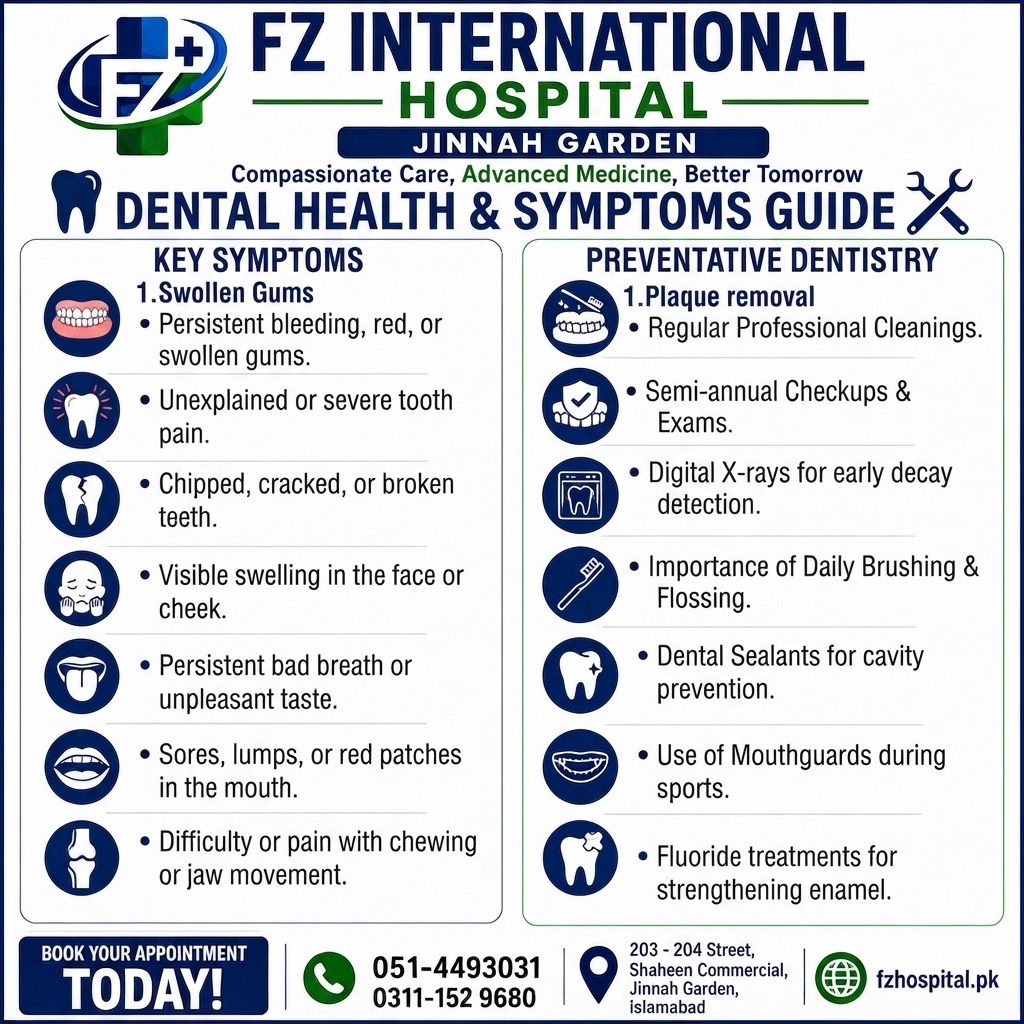
- Toothache, cavities or broken teeth
- Bleeding or swollen gums and persistent bad breath
- Sensitivity to hot, cold, sweet or acidic foods
- Missing teeth or difficulty chewing
- Wisdom-tooth or jaw discomfort
- Bite, alignment or appearance-related concerns
Tooth pain, cavities and sensitivity
Toothache may relate to decay, infection, a crack, gum disease, a restoration or a wisdom tooth. Severe, persistent or worsening pain deserves prompt assessment; pain relief alone does not address the cause.
Cavities do not always hurt at first. Sensitivity, food trapping, a visible defect or pain with sweets can occur, but examination is needed. Sensitivity can also relate to enamel wear, gum recession, grinding or cracks.
Bleeding gums and persistent bad breath
Occasional bleeding can follow forceful brushing or a change in flossing, but repeated bleeding, redness, swelling, recession or loose teeth should be assessed for gum disease and other causes.
Persistent bad breath may relate to oral hygiene, gum disease, decay, dry mouth, tobacco, diet or non-dental causes. A dental examination can check the mouth and advise whether medical review is also appropriate.
Missing teeth and wisdom-tooth concerns
Missing teeth can affect chewing, speech and tooth position. Depending on oral health, bone, preferences and cost, confirmed FZ options include dental-implant assessment, bridges and dentures; no option is suitable for everyone.
Wisdom teeth may cause pain, swelling, infection or difficulty opening the mouth. Assessment and imaging can determine whether monitoring, treatment or referral is appropriate; removal is not automatically required.
Cosmetic and orthodontic concerns
Whitening, veneers, crowns, braces and aligners can change appearance, but each has limitations, maintenance needs and possible risks. Cosmetic treatment should preserve oral health and follow assessment of teeth, gums and bite.
A treatment cannot guarantee a perfect or more confident smile. Ask about alternatives, expected lifespan, aftercare and total cost before consent.
Confirmed Dental care at FZ
FZ's active Dental list confirms assessment-led care for dental implants, braces and aligners, root canals, crowns, bridges and veneers, whitening and hygiene, and dentures or prosthetics.
Fillings, extractions, paediatric dentistry and other procedures should be confirmed with reception rather than assumed from this general article.
When should you book a dental consultation?
- Tooth pain, sensitivity or a broken or chipped tooth
- Repeated gum bleeding, swelling or persistent bad breath
- A missing tooth or difficulty chewing
- Wisdom-tooth, jaw or bite concerns
- Questions about implants, root canal care, dentures, braces, whitening or veneers
Important
This article is general education and cannot diagnose a dental condition. Examination and, when indicated, dental imaging are needed before treatment is selected.